Kidney Testing: What It Is and What to Expect
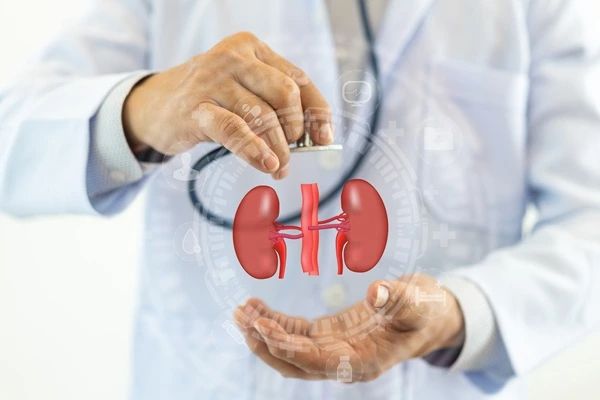
Preventive kidney testing can detect kidney issues when they first appear. They allow you and your medical provider to monitor pre-existing conditions and support your long-term health. Because kidney function influences multiple systems in the body, kidney testing provides essential insights into how well the kidneys filter waste, balance fluids, and regulate materials.
Understanding kidney testing
Kidney testing refers to a group of medical evaluations that assess kidney performance. These assessments help identify the following:
- Chronic kidney disease
- Acute kidney injuries
- Genetic conditions
- Medical conditions that affect the kidneys (e.g., diabetes or high blood pressure)
- Symptoms that indicate kidney issues (e.g., blood in the urine, pain or burning when urinating, or frequent urges to urinate)
- Side effects from certain medications
Kidney testing also helps medical teams assess the progression of existing kidney disorders and adjust treatment plans. Most kidney testing will fall into two major categories: blood tests and urine tests. Each category offers distinct information about one's kidney function and overall health.
Common types of kidney blood tests
Estimated glomerular filtration rate (eGFR) test
The eGFR calculation uses serum creatinine, age, sex, and other factors to estimate how well the kidneys filter blood. A lower eGFR suggests reduced kidney function. This measurement helps medical providers track changes over time and classify stages of kidney disease.
Serum creatinine test
The serum creatinine test is one of the most frequently performed kidney testing methods due to its reliability and simplicity. Creatinine is a waste product produced by muscle activity. Healthy kidneys efficiently remove creatinine from the bloodstream. Elevated levels often indicate impaired kidney function.
Blood urea nitrogen (BUN) test
Urea nitrogen forms during the breakdown of proteins. High BUN levels may indicate kidney impairment or other medical concerns, such as dehydration or liver issues. When combined with creatinine levels, this test provides a clearer picture of the individual's overall kidney performance.
Common types of kidney urine testing
Albumin-to-creatinine ratio (ACR)
This test measures the amount of albumin, a type of protein, in urine. Healthy kidneys prevent albumin from passing into the urine. Elevated levels may represent early-stage kidney damage, particularly in individuals with diabetes or high blood pressure.
24-hour urine collection
This method gathers all urine produced within 24 hours to measure total waste filtration. It offers advanced insight into kidney function, including how effectively the kidneys clear creatinine and protein. A 24-hour urine test can help diagnose specific kidney diseases or potential risk factors.
Nephrin test
Nephrin is a protein found in podocyte cells in the kidneys. These special cells help the kidneys filter blood. A nephrin test looks for nephrin in the urine, which may indicate that the podocytes are damaged and not filtering blood as they should.
What to expect during kidney testing
Most kidney testing procedures are simple and minimally invasive. Blood tests require a standard blood draw performed in a clinical setting or laboratory. In some cases, the patient may need to fast for several hours to prepare for the test.
Meanwhile, urine tests involve providing a single sample or collecting urine over a longer period, depending on the type of test. The patient will need to prepare for a urine test by staying hydrated and drinking enough water to ensure they can provide enough urine for the sample.
Improve your overall health with regular kidney testing
Regular kidney testing is an important part of early detection and intervention. Identifying kidney issues in their earliest stages supports better treatment outcomes and prevents long-term complications to your overall health. Call our Reston office to learn more about kidney testing or to schedule an appointment.
Request an appointment here: https://reston.millenniummedicalcare.com or call Millennium Medical Care Reston at (703) 440-7000 for an appointment in our Reston office.
Check out what others are saying about our services on Yelp: Kidney Testing in Reston, VA.
Related Posts
It is never enjoyable to become sick with the flu. Fever, sore throat, chills, and pains might make you want to hide beneath the covers for the rest of your life. But according to the Centers for Disease Control and Prevention, it takes about two weeks or less to recover from flu infection. Still, some…
Getting a flu shot every year is a good way to prevent severe bouts of flu. Even so, some people cannot have this type of preventive health measure. If you want to know who should not receive a flu shot, here are the details.Flu vaccines are not approved for babies this young. That is why…
Internal medicine focuses primarily on the general health of adults. Internists can diagnose, treat, and manage various medical conditions. However, the most effective treatment for any health condition is prevention. Fortunately, internists can provide patients with the education, tools, and resources necessary to keep their bodies healthy and in working order.According to the American College of…
Millions of people get the flu shot to protect themselves against influenza. This vaccine is usually administered as an injection or nasal spray. It reduces your risk of getting influenza by up to 60%, according to the CDC.There is a misconception that flu vaccines can cause influenza, but this is not true. The flu shot…